

Sitting on a terraza having an afternoon drink, I’d sometimes see them: Camino pilgrims moving from place to place, looking at menus, walking inside, only to walk back out again a few minutes later.
I knew what they were doing: trying to find a place to eat.
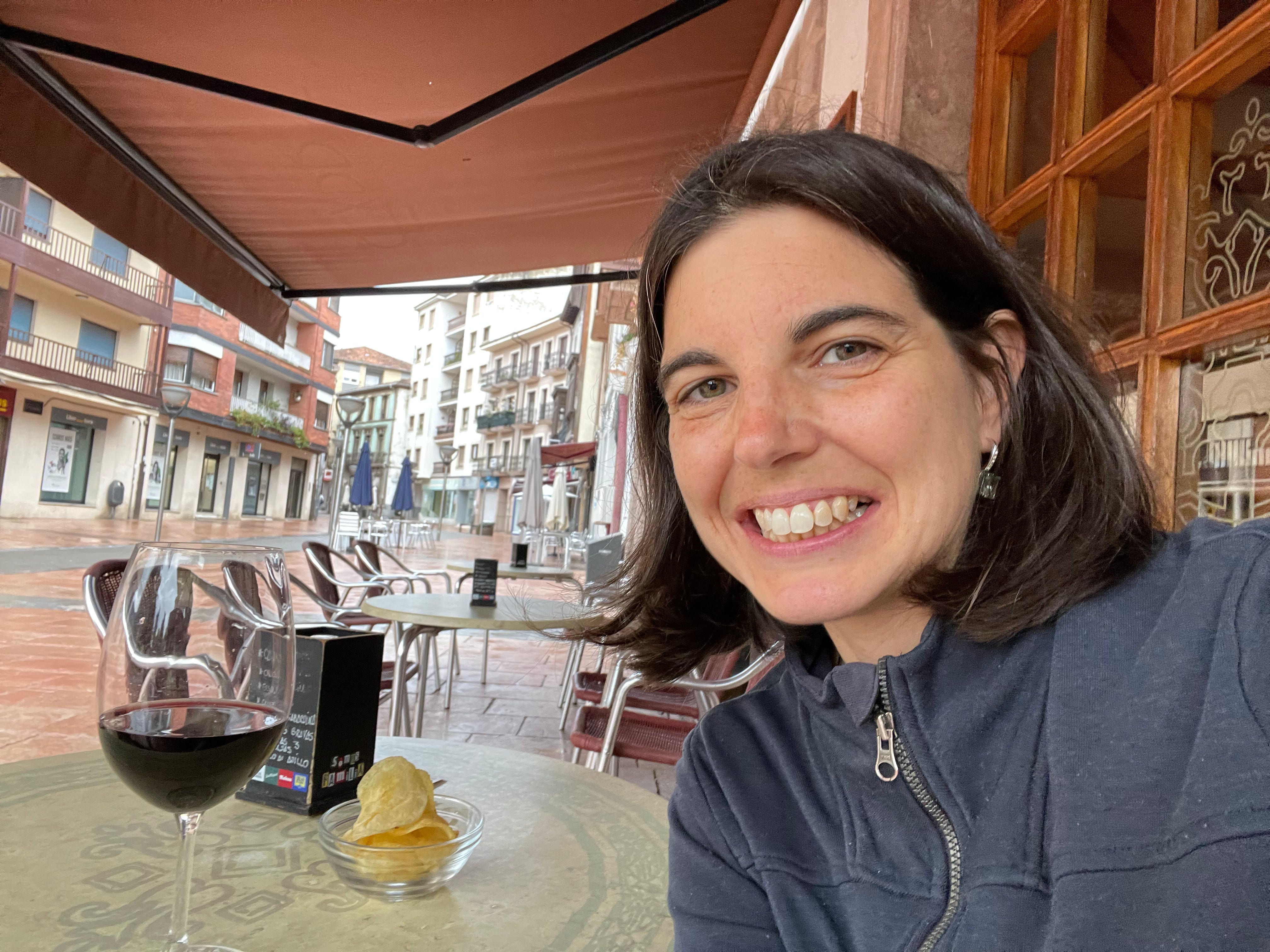
But it was 5 p.m., or sometimes 6—not dinner time, nor really mealtime at all in most of Spain. This is the time for a glass of wine. Dinner? Restaurants don’t open for dinner until 8 p.m.!
These hungry pilgrims would see a menu displayed out side a restaurant, think that was a good sign, walk in to inquire about food, and be told the kitchen was closed.
I would see them sometimes point to some tables in front of a restaurant across the square. I imagined them saying, “Look! There are people with plates of food over there!” If they had asked, I would have explained that those diners were just enjoying a really long lunch. The group probably started around 3 or even 3:30 and are now enjoying their sobremesa.
Sobremesa is one of those Spanish words that doesn’t exist in English. It designates the lingering one does after a meal, chatting with the others at the table. It can last for hours.
I know. I lived it.
Within months of moving to Spain, I learned that if I was going out to lunch with friends at 2, making plans to meet someone else at 5 was not a good idea. 6 p.m.? Maybe. But risky.
So allow me to educate you on Spanish meal times. You’ll thank me later.
Breakfast
7 a.m. is early in much of Spain. Good luck getting a cup of coffee at that hour. Unless you’re on the Camino Francés — that route has gotten so popular that some businesses now open early to catch the under-caffeinated morning pilgrims.
But sometimes you’ll have to walk a couple hours before you find an open bar for your café con leche.
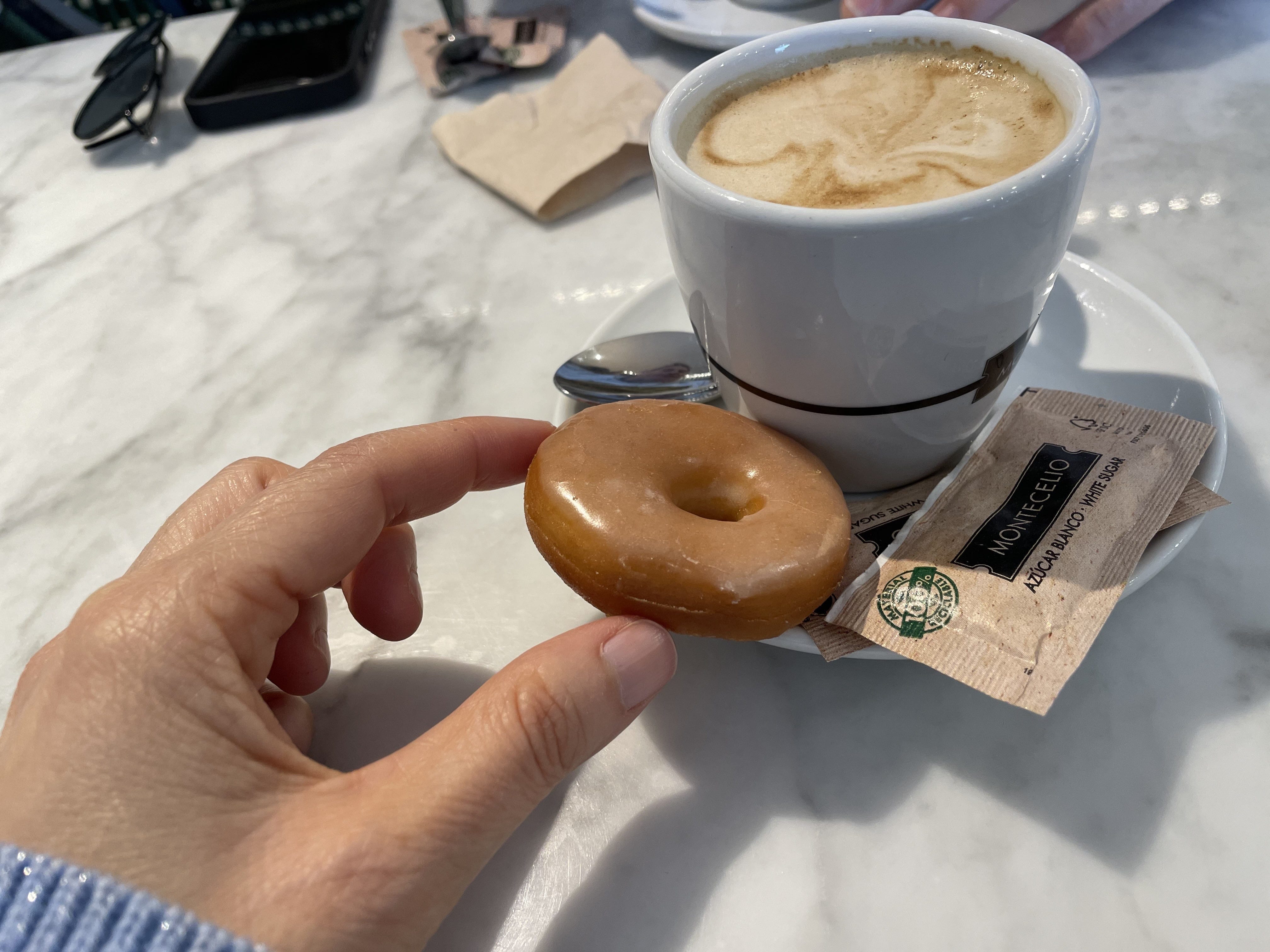
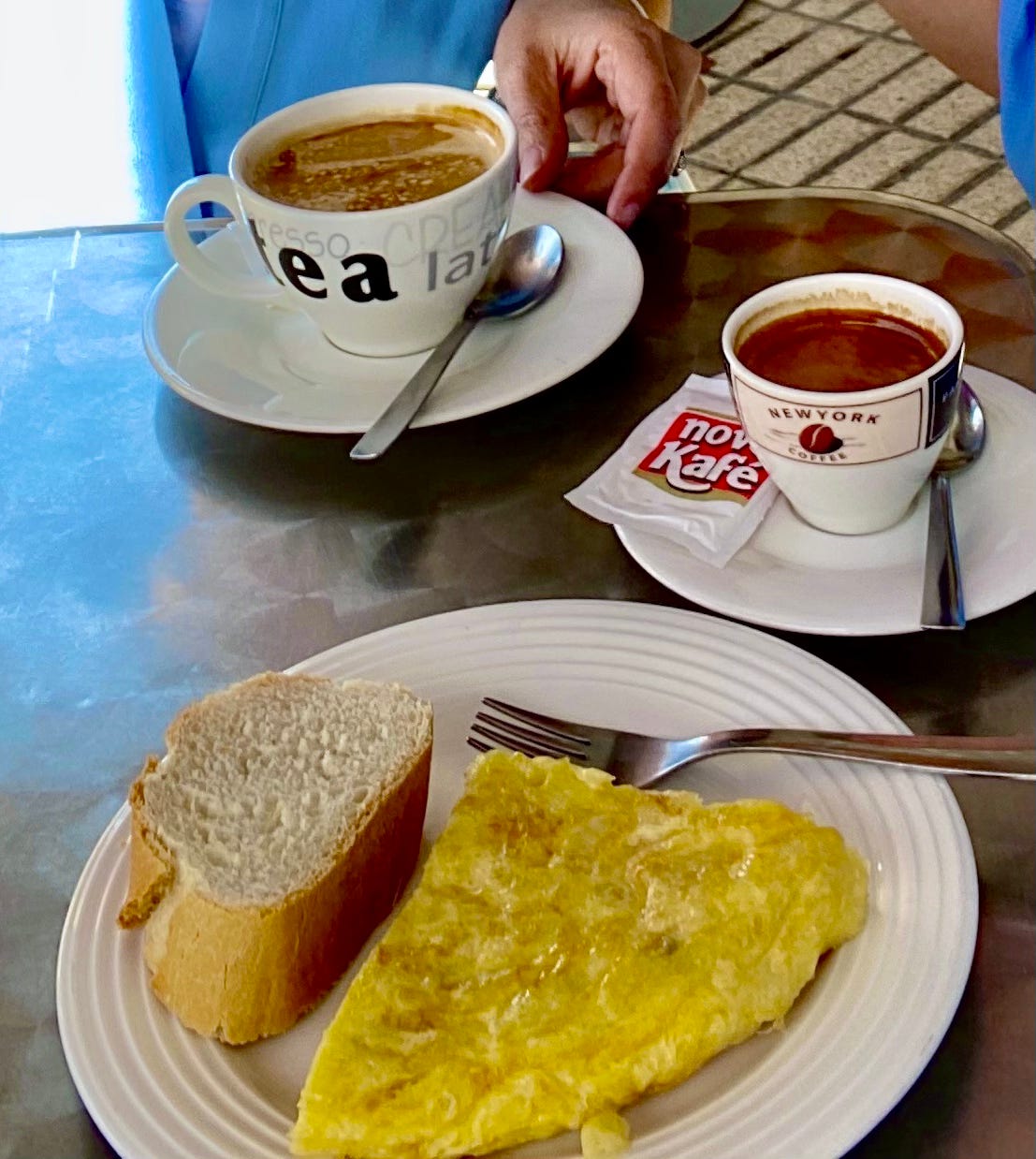
I’d recommend getting some food while you’re there, as well. If you’re lucky, they’ll have some tortilla — think crustless quiche made only with eggs, salt, and potatoes.
And sometimes onions.
There is great debate over whether a true tortilla should be con cebolla o sin cebolla (with or without onions). There’s even a name for those of us who prefer it with onions: cebollistas.
If you want to really look like you know what you’re doing, ask if the tortilla is con cebolla o sin cebolla? Then smile and order it whichever way they have it — because they’ll only have it one way and that’s the way they think everyone should serve it.
(On rare occasions I see a variety of tortilla options. This still strikes me as odd as it’s so uncommon.)
Some places have the tortilla out on the bar under a plastic display case. On the Camino—and in many Spanish towns—they go through it so quickly that I’ve never worried about how long it has been sitting out.
But if you don’t see it on the bar? Ask. If they have it, perhaps it’s in the back.
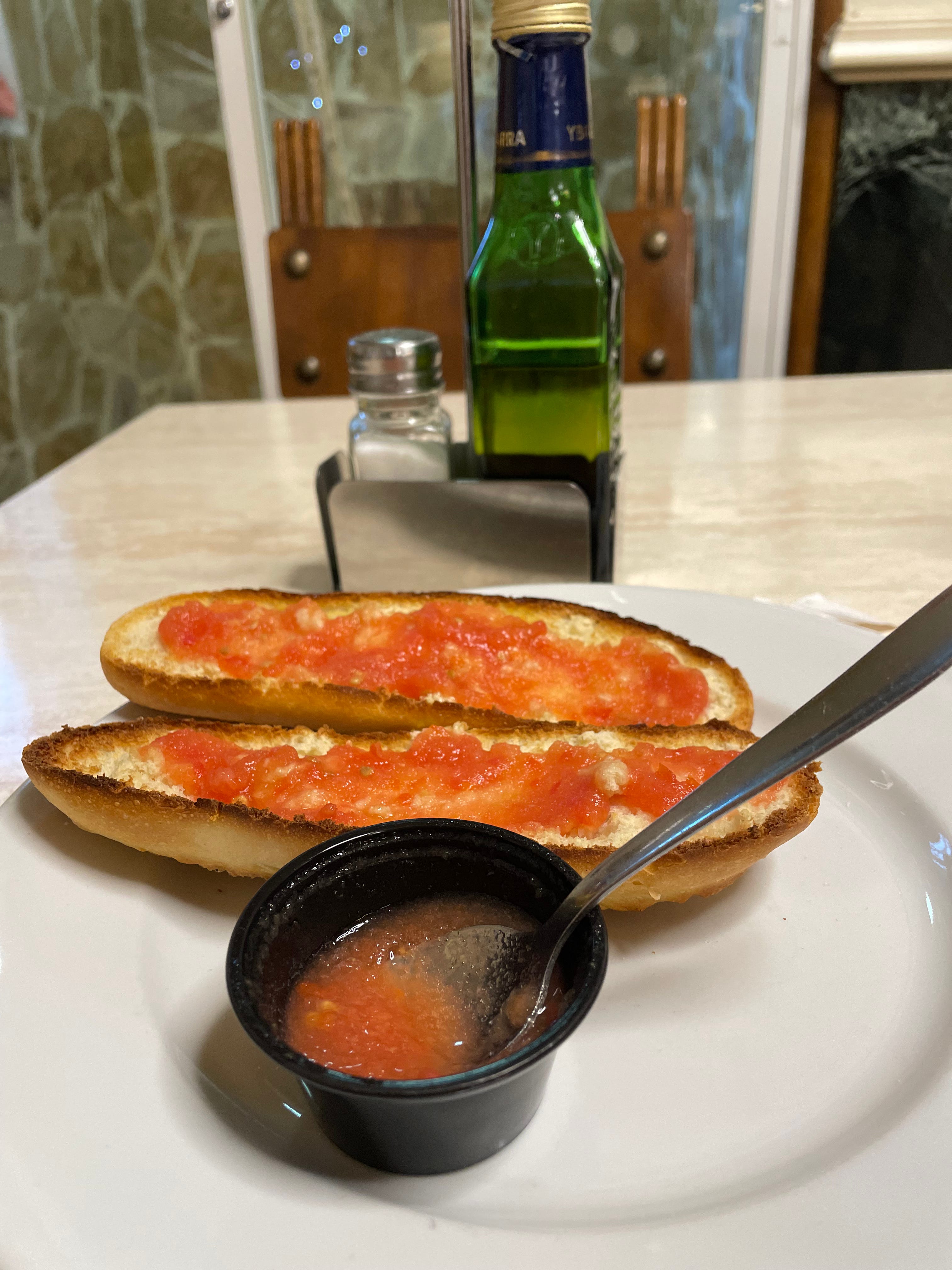
For those looking for a carb fix, I highly recommend tostada con tomates. I look around to see who else has toasted bread with tomatoes in front of them as I want the freshly grated tomatoes. If I have any doubts, I’ll ask “El tomate es fresco?”
Often the toast is served with a small ceramic bowl of freshly grated tomatoes, a packet of salt, and a packet or bottle of olive oil. You pour olive oil over the toasted bread, then spread the tomatoes, then a bit of salt. Heaven.
Tostada con mantequilla (y mermelada) is also an option. This is toast with butter and jam. I recommend the peach, if you’re given a choice.
You usually order tostada until 11:30 or 12. Can you order it later? Sure. It’s just not when we commonly eat it in Spain, so don’t be surprised if you get some odd looks.
And as for the tortilla? It’s available until it’s gone.
And then there’s the orange juice (zumo de naranja). It doesn’t come out of carton. Nearly every bar in Spain has a machine into which they dump whole oranges. They press a button and the oranges are cut and squeezed into the waiting glass or pitcher. I don’t even have the words to describe how delicious it is.
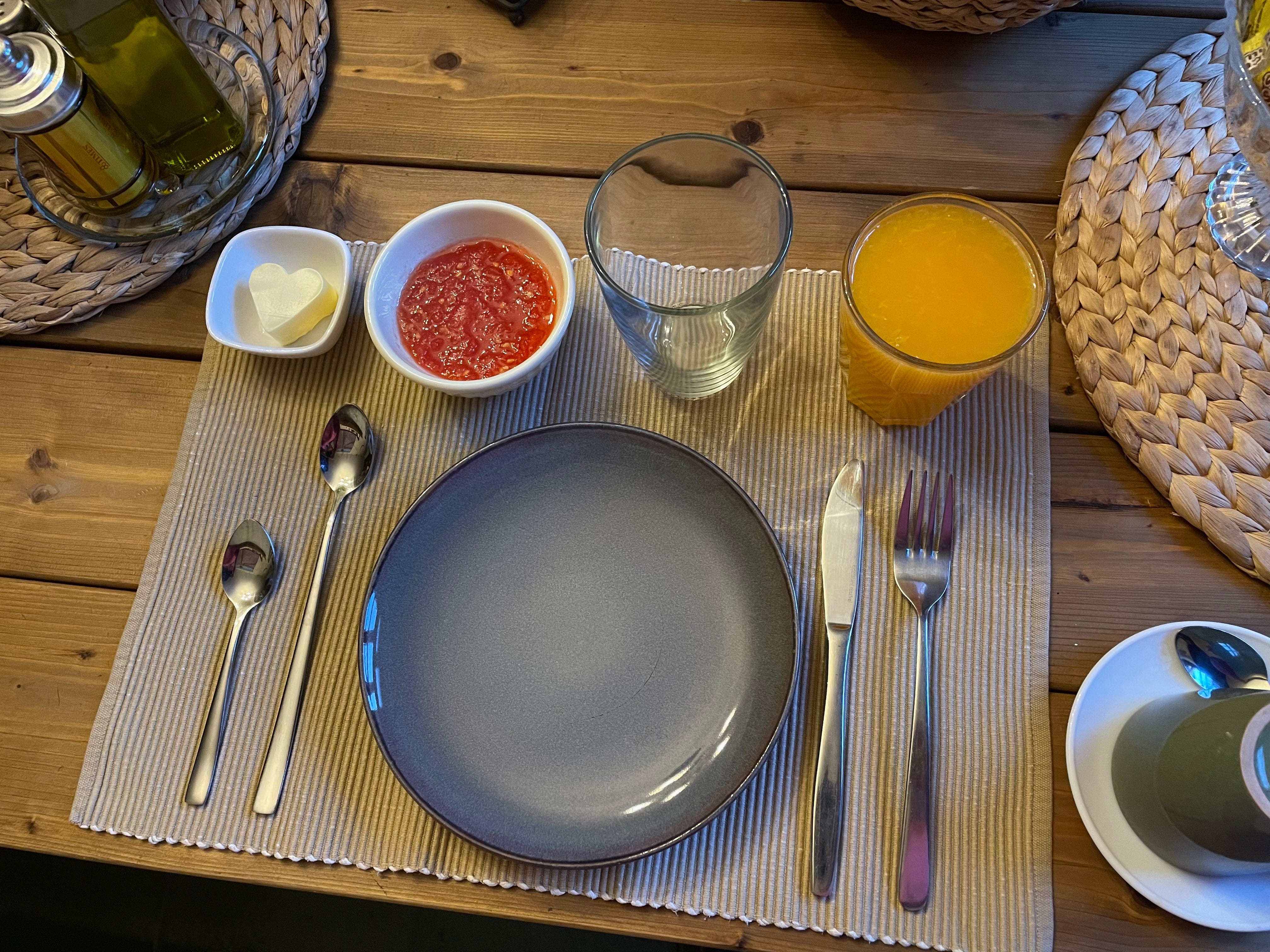
I’m sure those of you who have already walked the Camino have had a variety of breakfast experiences. I don’t mean to say everything above is 100% true everywhere all of the time — it’s just the general pattern I’ve seen after doing more than 15 Caminos and living 4 1/2 years in Spain.
Might you find a place on the Camino Portugués for 6 a.m. coffee, for example? Sure.
Or maybe you get to the only bar in town and find it closed. You see a local farmer, chat with him, and he takes pity on you, and opens the bar—because he’s the owner but was out feeding his cows. It happened to me. On the Camino Invierno. There was no tostada, no tortilla, but that was the best coffee I’d ever had.
And what about those pilgrims wandering the town in which I used to live that I mentioned above? When such pilgrims wandered by my table, I would certainly help them out—there was one bar in town that had bocadillos (sandwiches) available at that hour. But if they simply stood there studying their phones, I’m afraid I wasn’t much help. If you think your phone will be more useful than asking a local, by all means, give it a try. You might eventually find your answer. The question is: For how long do you want to go hungry?
With love,
Rebecca
A word about Google Maps information: In general, don’t trust the hours listed on anyone’s Google Maps profile in Spain. If it says the hours were updated recently by the owner, you’ve got a better chance of the information being true. But in my experience, the only way to truly know if a place will be open is to call or walk by.
For those of you saying, “Wait! That’s only breakfast!” I already covered lunch and dinner in this earlier post:
012: Menú del Día: The Secret to Never Going Hungry on the Camino de Santiago

If you’re someone who likes lunch at noon and dinner at 6pm, I’ve got news for you: you may starve here in Spain.
Share your Camino food-related experiences or questions below!
🥾Ready to start planning your Camino?
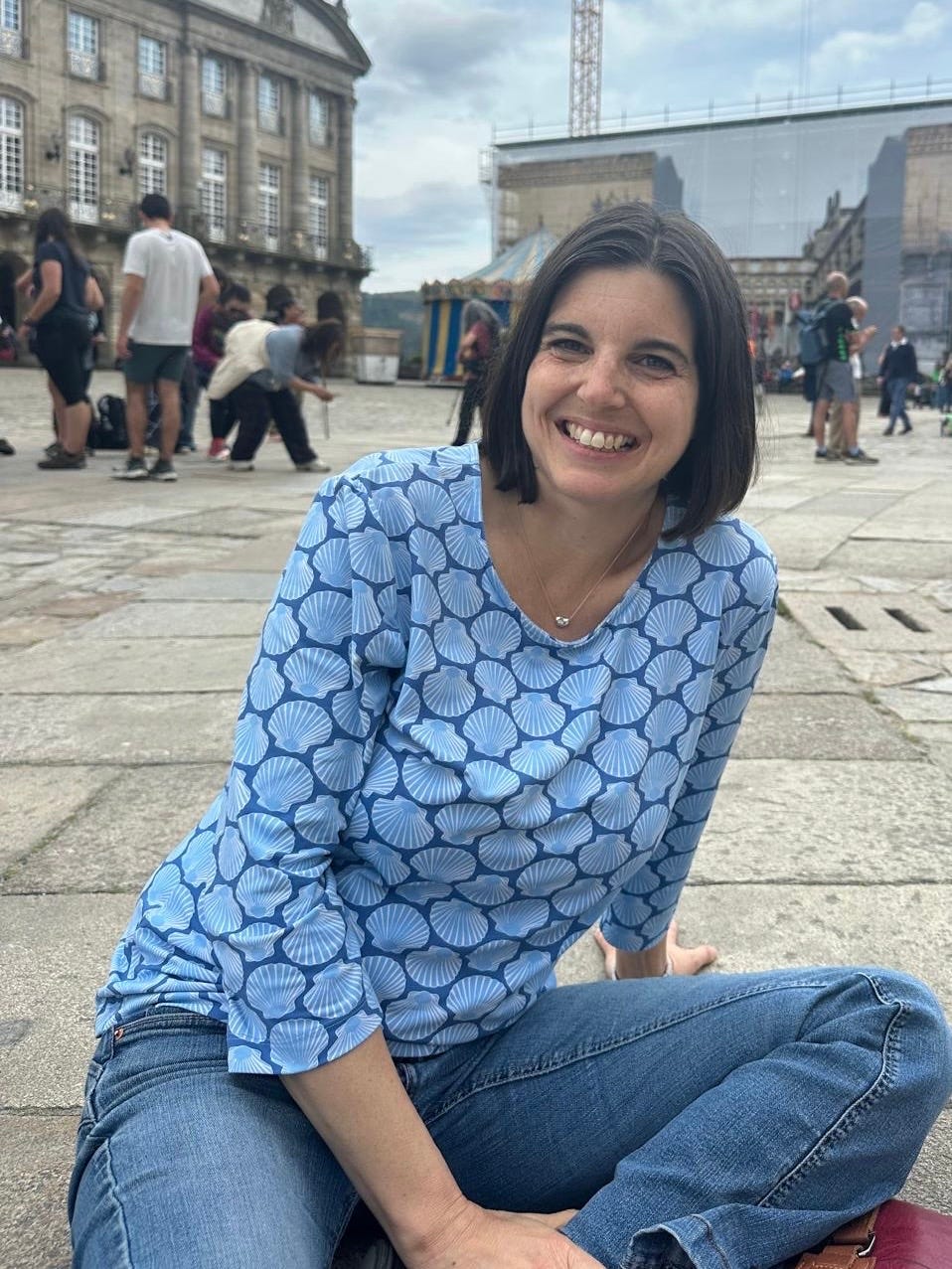
Rebecca Weston
Camino Planning & Preparation Guide (for People 45+)
Rebecca@TheCaminoCalls.com
Your Camino adventure should feel exciting, not stressful — here are some ways I can help you get ready:
Watch Camino Conversations for practical tips and advice from my guests who have done the Camino (or more than one!).
🗓️ Camino Planning Session (60 min): Get answers to your top questions and a notes doc created during our call.
📞 Full Camino Experience: 6 coaching calls with detailed notes to plan your trip with confidence and ease.
🥾 Walk With Rebecca: 7-day hybrid Camino walks — 3 days guided, 4 days independent, private rooms, preparation classes, and optional check-ins. Click here to be the first to be notified about my next trip.Rebecca Weston is an American who walked her first Camino in 2012.
About me: I’ve walked more than a dozen Caminos since my first in 2012. I’ve spent many days volunteering along the trail, and if I’m not walking one now, I’m planning the next—and would love nothing more than to help you plan yours, too. Originally from the US, my husband and I live in a town of 6500 people on the Camino del Norte.
And ... forget about getting any gluten free bread in small towns.
My saving grace in Europe is Rye-Vita. Yes, Rye has gluten but so little compared to conventional bread that I could handle it.
Or Wasa crackers. Wasa is now international.
Thank you! Haven't walked the Camino yet, but here in Portugal a sobremesa is dessert! And also I'd call myself a cebollista, too. =)